

Smartphones and Our Kids? Yes! Terrible. I see it everywhere. In restaurants, on buses, even at family gatherings. A child is sitting quietly, but their eyes are glued to a small glowing screen. The parents look relieved. The child is not crying or running around. Everyone is happy, right?
Wrong.
I am not here to say smartphones are evil. I use one myself. But I am worried. I am worried about what this is doing to our children. And the more I look at it, the more I realize that the problem is not the same for every child. A child growing up in a big city faces different dangers than a child growing up in a village.
Let me explain what I mean.
The Problems That Hit Every Child
Before we talk about the differences, let us look at what every child is going through, no matter where they live.
They are losing their memory. Think about it. When we were kids, we had to remember phone numbers, directions, and answers to riddles. Today, a child just asks Google or Siri. Their brain does not have to work hard anymore. It is like a muscle that is never used. It gets weak.
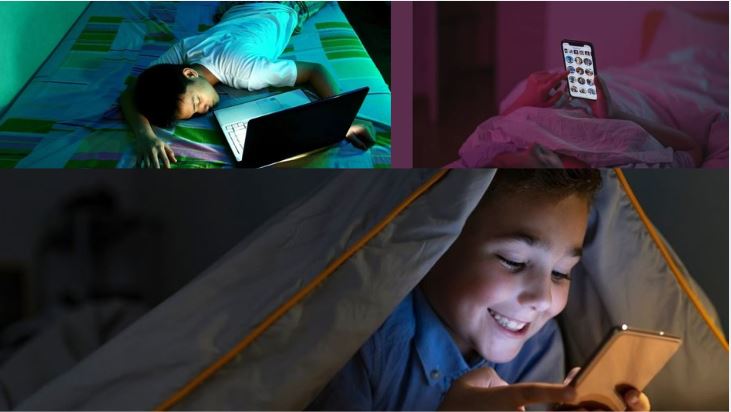
They cannot sleep. I have seen kids as young as five years old holding phones in their beds at night. That blue light from the screen tells their brain to stay awake. Their bodies are tired, but their minds are racing. They toss and turn. Then they wake up grumpy and tired the next day. This happens night after night.
They are getting addicted. I am not exaggerating. The people who make games and social media apps hire psychologists to figure out how to keep people hooked. They give small rewards, like a “like” or a new level, at random times. This is exactly how a gambling machine works. It traps the brain. When you take the phone away, the child screams and fights. That is addiction.
They feel sad and insecure. When a child scrolls through Instagram or TikTok, they see perfect bodies, perfect holidays, and perfect families. They compare their real life to these fake images. They start thinking, “My life is boring. I am ugly. I am not good enough.” This creates deep sadness and worry inside them.
Now, Here Is Where It Gets Different – City vs. Village
This is the part that really made me think. The dangers are the same, but the reasons and the results are completely different.
Social Life: Being Alone vs. Seeing Too Much
In the city, concerning about Smartphones and Our Kids, children are surrounded by millions of people, but they are often lonely. The streets are dangerous. There is no space to play cricket or hide-and-seek. So, they sit at home with their phones. They chat with friends online. But they are losing the ability to look someone in the eye and have a real conversation. They cannot read a person’s face or understand their tone of voice anymore. They are becoming socially awkward.
In the village, it is the opposite. Children still play outside. They run in the fields. They talk to neighbors. But the smartphone brings the “outside world” into their hands. Suddenly, they see things their parents and grandparents never told them about. Children watch violent videos. They see adult content. They are exposed to the worst parts of the world without any protection. Their innocent minds are not ready for this.
Parents: Too Busy vs. Too Ignorant
In the city, parents know that phones are dangerous. They have read the articles. They know about screen time limits. But they are exhausted. They come home from work with no energy left. So, they hand the phone to their child just to get some peace and quiet. They know it is wrong, but they do it anyway because it is easy. They are giving up.
In the village, parents often do not know how the internet works. Parents may not even have a smartphone themselves and give the phone to their child to help with schoolwork. These parents trust the child and have no idea what the child is watching or who they are talking to. The parents are not being bad parents and are just unaware. But the result is the same: the child is left alone in the wild west of the internet.
Learning: No Focus vs. Losing Culture
City children use phones for learning apps. They learn new words and new skills. But they also switch between tasks every few seconds. They watch a video, then reply to a message, then play a game, then go back to the video. Their brains are jumping around like popcorn. They are losing the ability to concentrate on one thing for more than five minutes. This is a disaster for their future.
Village children are losing something else. They are losing their own identity. Instead of listening to their grandmother’s stories, they are watching silly YouTube videos. Instead of learning how to plant crops or repair tools, they are watching city kid’s dance. They are forgetting who they are and where they come from. Their culture is slipping away, one video at a time.
Health: Weak Bodies vs. Tired Minds
City children sit all day. They slouch on sofas and beds, staring at screens. Their backs hurt. Their eyes are getting weak. Many of them need glasses by the age of ten. They are also gaining weight because they never run or jump anymore.
Village children are physically active. They walk long distances, carry water and work in the fields. But at night, they lie in dark rooms with bright screens shining in their faces. This confuses their brains. Their bodies are tired from work, but their brains are wide awake. They cannot fall asleep. The next day, they are exhausted.
What Is Really Going On?
When I look at all of this, I see one big truth.
For city children, the problem is loneliness and pressure. Children are surrounded by people but feel alone and feel like they have to be perfect online as these young innocent people are stressed and anxious all the time.
For village children, the problem is growing up too fast. Children see things on the screen that their minds are not ready for and see a glamorous city life and start hating their own simple life. These children get confused and frustrated. Many of them just want to escape.
But there is something in common. In the old days, children had a whole village to raise them. They had grandparents, uncles, aunts, neighbors, and teachers. Everyone guided them. Now, that community is gone. The smartphone has taken its place. In the city, the community disappeared because of busy lives. In the village, the smartphone is slowly breaking that community apart.
Who Should We Blame? Let Us Be Honest.
We always want to blame someone when things go wrong. But the truth is, everyone has dropped the ball a little bit. Let me tell you what I see.
Parents: I am sorry, but parents are the first ones to blame. Not all of them, but many. Parents use the phone as a babysitter and are too tired or too lazy to play with their kids. These parents give the phone just to keep the child quiet. I understand life is hard. I understand you are tired. But your child needs you, not a screen. Parents have to wake up and have to set rules. Parents have also to put the phone down and spend time with your child. No app in the world can replace your hug.
Schools: Some Schools are failing too. They are obsessed with marks and grades. They give children tablets and call it “modern education.” But they never teach children how to actually use the internet safely. They do not warn them about fake news, cyberbullying, or addiction. Teachers are overworked, I know. But schools need to add one simple subject: Digital Safety. Teach kids how to protect their minds, just like you teach them how to wash their hands.
More than this…who to blame about Smartphones and Our Kids?
Churches, Mosques, Temples, and Community Elders: I have to be honest here. Many religious centers are silent on this issue. They talk about other problems, but they ignore this big, new danger and have so much influence over families and also could organize meetings. Those people could encourage parents to bring children for community activities and could remind families that real connection is with people, not with phones. But they are not doing enough.
Phone Companies: This is where I get really angry. The big companies that make social media apps know exactly what they are doing. They design their apps to be addictive and do not care about children and also care about making money. And some governments all over the world make weak rules. There are no strict age checks. Children can easily lie about their age and see everything. This is like a cybercrime. The governments in the world must step in. They must force these companies to protect children. They must put health warnings on phones, just like they do on cigarette packs.
But here is the thing: blaming does not help. Shouting at each other will not fix anything. We need to work together.
My Simple Advice for Parents
I know you want the best for your children. So here is what I suggest about Smartphones and Our Kids.
If You Live in the City:
- Stop counting hours. Do not just say, “You can have two hours.” Ask yourself: What are they actually doing on that phone? One hour of learning to play music or draw is much better than thirty minutes of scrolling through videos mindlessly.
- Make some places phone-free.The dinner table is sacred. No phones there. And the bedroom is for sleeping, not for screens. Talk to your children face-to-face. Ask them about their day. Look them in the eyes.
- Go outside every weekend.I know parks are far. I know you are tired and sometimes it is expensive. But force yourself. Take your child to a garden, a lake, or even a small patch of grass. Let them see the real sky. Let them feel the wind. Let them run until they are out of breath. This is medicine for their minds.
If You Live in the Village:
- Do not ban the phone completely. Concerning Smartphones and Our Kids, The phone is useful for studies and staying connected. But do not give it to your child alone. Sit with them. Watch what they watch. Ask them questions. Be their guide through the internet.
- Keep the phone out of the bedroom. Charge it in the living room at night. Do not let your child take it to bed. This one rule alone will improve their sleep and their mood.
- Bring back bedtime stories. Remember when grandparents used to tell stories under the stars? That tradition is dying. Make a rule: thirty minutes before bed, the phone is turned off. The grandparent or parent tells a story. This will keep your family close and protect your culture.
The One Thing Every Parent Must Remember
I want you to hear this issue of “Smartphones and Our Kids” loud and clear:
Your child is not missing out if they are not online. They are gaining. They are gaining by being present, by playing, by talking, by living.
No app can give your child what you can give them. No screen can replace your time and your attention. The smartphone is a tool. Use it when you need it. But do not let it rule your family. Do not let it steal your child’s childhood.
And please, do not point fingers at others about criticizing Smartphones and Our Kids. Do not blame the teachers, the church, or the government. Start with yourself. Be the change. If every parent takes responsibility, we can win this fight. The smartphone is not going away. We cannot destroy it. But together, we can control it.
My Final Thoughts
I wrote this article about Smartphones and Our Kids because I am worried. We see children everywhere losing themselves in screens. Everyone see city kids who cannot make eye contact and see village kids who no longer respect their elders and also see parents who are exhausted and giving up.
But I also see hope and parents who are waking up. We see schools that are starting to care and communities that are coming together and are not helpless yet all of us can fix this. But we have to act now.
So please, share this story about “Smartphones and Our Kids” with someone you care about. Talk about it. Start a conversation. And most importantly, put your own phone down and spend time with your child today. Not tomorrow. Today.
Because childhood does not last forever. And a screen is a terrible thing to waste it on.
Read the latest article HERE.
For collaboration or to share your own story of faith and inspiration, contact us at globalvibenews@gmail.com