
One woman. One phone. A million lives saved.
While some women wait for the world to notice them, others notice the world is bleeding and pick up the phone.
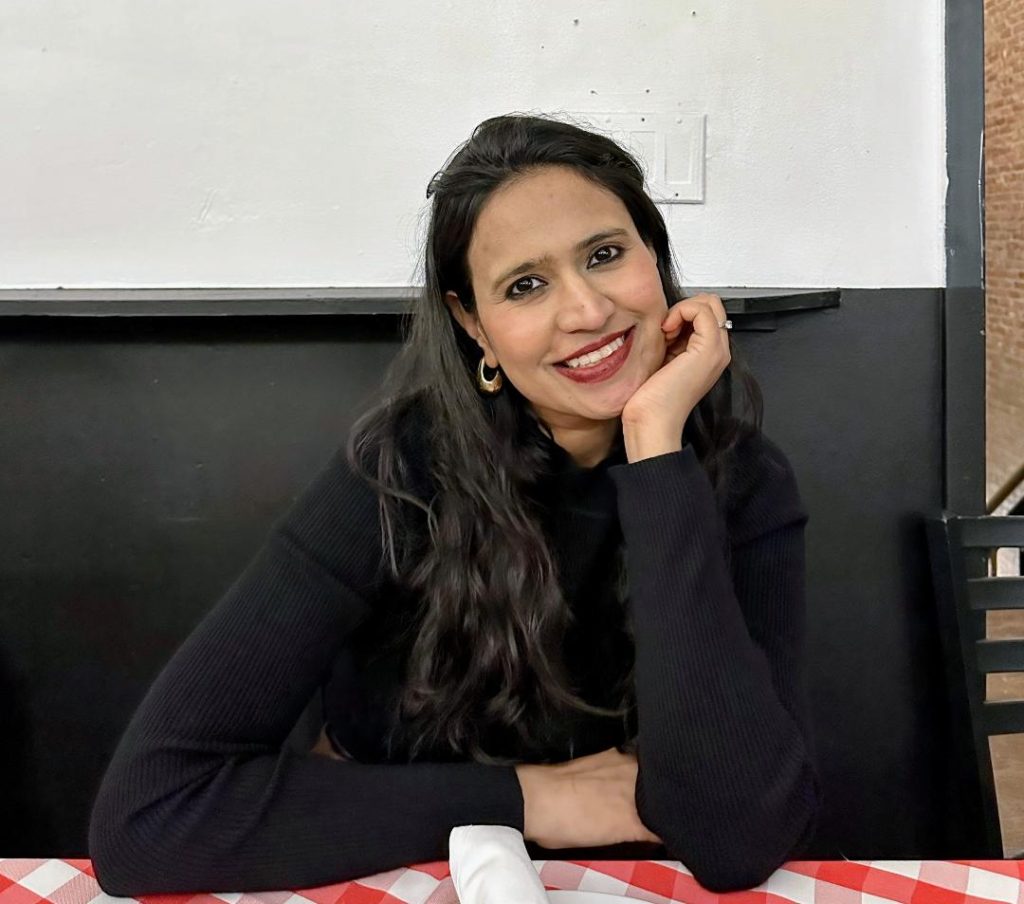
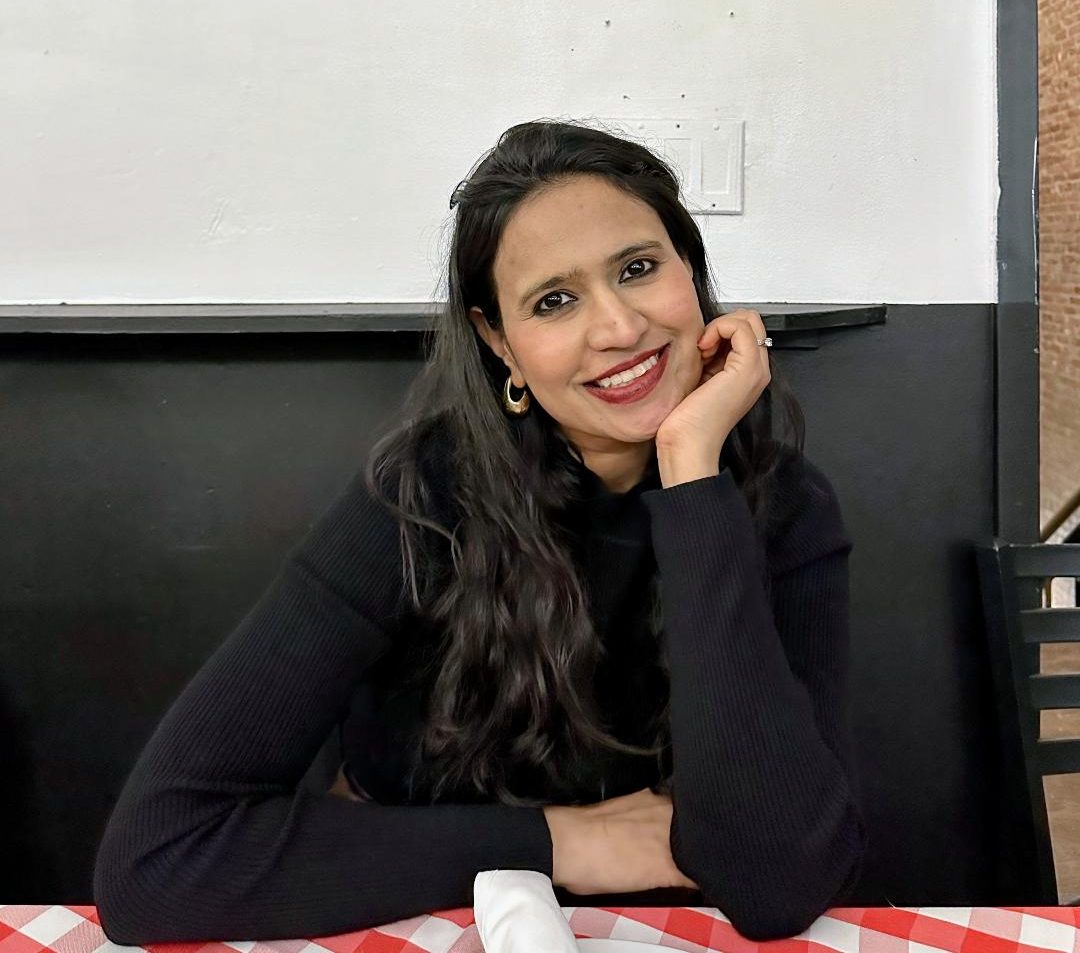
Reecha – known to hundreds of thousands of women as MillennialGurrl – is not a celebrity, nor is she a politician.
In addition, she does not have a team of publicists or a million-dollar nonprofit behind her.
Instead, she is a woman from Delhi who moved to Philadelphia two years ago, felt the cold weight of emotional loneliness in a foreign country, and rather than drowning in that loneliness… she became a lifeline.
One woman. One phone. A million lives saved
Today, women from Pakistan, India, Bangladesh, the United Kingdom, Canada, the United States, and across the world send her their deepest wounds.
Suicidal thoughts. Domestic violence they have never spoken aloud.
Marriages that feel like prisons. Financial entrapment. Emotional abuse so slow and invisible that the victims themselves do not even have words for what is happening to them.
And she answers.
Not with automated replies. Not with “I will pray for you.” Not with links to helplines, she has never called herself.
She answers with her presence. With her time. With her own hands typing words like: “I am here. You are not alone. Do not go anywhere. Stay with me.”
This is not an interview about Instagram growth or content creation.
This is about a woman who received a suicide message from a stranger in Pakistan and stayed on that conversation until the stranger chose to live.
This is Millennial Gurrl. And after you read this, you will never forget her name.
The Lady from Delhi Who Refused to Stay Silent
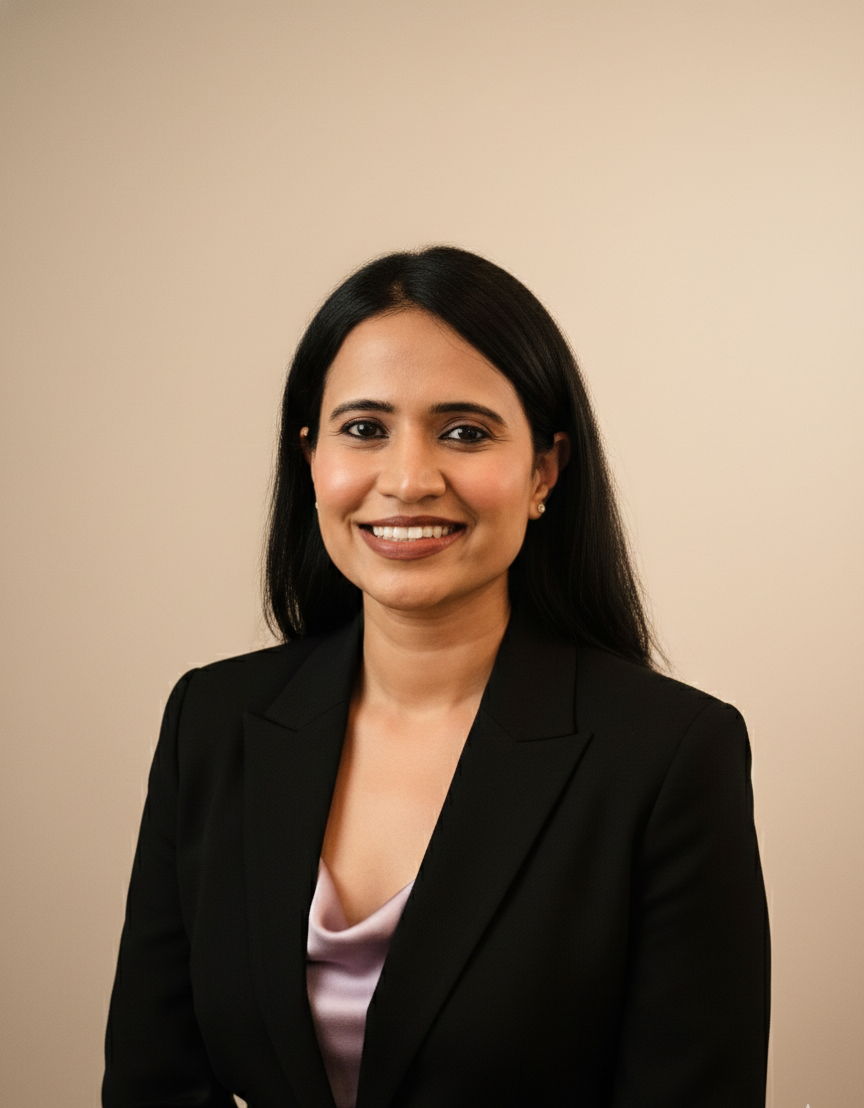
Reecha was born and raised in Delhi, India – a city of over thirty million people where women learn to navigate danger before they learn to ride a bicycle.
But inside her home, something different was happening.
“I am fortunate to come from a very supportive and open-minded family that never limited my capabilities because I am a woman,” she tells me, her voice steady but soft. “Opportunities and roles were never defined through a gender-biased lens at home.”
That childhood became her armor.
She studied marketing – a practical path, a respectable path. But her real education was happening outside the classroom, watching the women around her: family members, neighbors, friends, colleagues. Women who smiled in public and carried invisible wounds and mountains in private.
“Time and again, I saw women carrying emotional burdens silently, struggling to be heard, respected, and understood,” she remembers.
She did not look away.
She started listening.
And then she started typing.
What Does “Millennial Gurrl” Actually Mean?
Most Instagram names are forgettable. Cute. Trendy. Empty.
Not this one.
“Millennial Gurrl is much more than a username or a personal brand,” she explains. “It represents a generation of women who are choosing to write their own stories instead of simply following the scripts handed down to them.”
She chose the name deliberately.
“I strongly identify with the experiences of millennial women who are questioning outdated norms, challenging patriarchal mindsets, healing from generational trauma, and creating healthier relationships with themselves and others.”
But here is what makes her different: she does not see herself as the heroine.
“To me, MillennialGurrl is not just about me. It represents every woman who is finding her voice, setting boundaries, prioritizing her emotional well-being, and redefining what happiness and fulfillment look like on her own terms.”
She did not build a brand. She built a mirror.
And millions of women looked into that mirror and finally recognized themselves.
She is the heroine lady that the online millions of women have been waiting for.
I Received a Suicide Text. I Did Not Look Away.
You cannot interview Reecha without going to the darkest room in her story.
She does not lock that door.
“I still remember getting a DM from a woman from Pakistan who was in a very vulnerable state and said she wanted to commit suicide,” she says, her voice dropping slightly.
Most people, if they are honest, would not know what to do. Some would freeze. Some would forward a helpline number and feel they had done enough. Some would scroll past because the weight is too heavy.
Reecha did none of those things.
“I responded to her immediately. I stayed connected with her so she didn’t feel alone in that moment. I held space for her pain. I listened to her with full presence. I gave her sessions without any charges because my only focus was to make sure she felt supported and did not take any drastic step.”
She did not film this. She did not post about it for engagement. She did not turn it into a reel to get more followers.
She just… stayed.
“In that moment, I felt a deep sense of emotional completion – not in a heavy sense, but in a very human way. It deepened my belief in why I do this work.”
That woman from Pakistan is alive today.
And she is one of thousands.
The Divorce Rate That Lies to Us
India has a very low divorce rate on paper.
But Reecha will gently remind you: numbers do not always tell the full story.
“A low divorce rate doesn’t always mean healthy or happy relationships,” she says carefully, choosing her words like a surgeon choosing a scalpel. “It can also reflect how strongly marriage is shaped by social pressure, financial dependency, fear of judgment, and family expectations.”
In India, marriage is not just a legal contract. It is a sacred bond. God as witness. Believed to last seven lifetimes. Divorce becomes not just a personal failure but a family shame – a label that follows a woman and her parents and her siblings and even her children.
“Because of this, for many women, staying in a marriage is often viewed as the ‘safer’ or more acceptable choice than separation – even when their emotional well-being is compromised.”
She is not anti-marriage. She is anti-endurance-disguised-as-love.
“What we may see as a low divorce rate can also reflect silent endurance, adjustment, or normalization of emotional dissatisfaction within marriages.”
She wants you to know: you are not crazy for feeling unhappy. You are not broken for wanting more.
Feminist? No. Equalist? Yes.
In an age where labels are weapons, Reecha refuses to be disarmed.
“Feminist is a big no for me as a label,” she says plainly. “I would rather say I am an equalist. I believe in equality. Equal respect, equal voice, and equal responsibility for both men and women in society and in relationships.”
She has been called difficult. Direct. Too much. Aggressive. Bitter.
She does not flinch.
“When women express strong opinions or challenge certain norms, it’s easy for people to tag them instead of engaging with what is actually being said. But my focus remains on the idea, not the label.”
She is not performing for approval. She is not trying to be liked.
She is trying to be understood and more importantly, to help other women understand themselves.
What She Would Say to a Young Bride in Rural India
If Reecha could stand before one young bride in rural India tomorrow just one; she would not give a speech.
Instead, she would look her in the eye and speak directly from her heart.
“Your life does not stop or shrink after marriage,” she would say. “You still matter as an individual.”
Then she would add: “Become financially independent as early as possible because it gives you clarity, confidence, and the power to make your own choices.”
“Don’t let anyone decide your worth for you,” she would continue. “Your voice, your comfort, and your choices matter.”
She would also remind her: “You may face expectations shaped by patriarchy. But you have to be aware of your rights and strong enough to stand for yourself when needed.”
Finally, she would share the sentence that will follow that bride for the rest of her life:
“Never forget that you are not just someone’s wife. You are your own person first.”
Of course, that bride may never leave her village. She may never meet Reecha in person.
Nevertheless, that message will travel — without asking for a passport or a visa. It will plant a seed deep inside her.
And one day, that seed will crack concrete.

Imagine Her on Every Stage in America
Close your eyes.
Imagine Reecha standing on a stage in Texas, a room full of women who have survived emotional abuse, nodding because someone finally has the words for their pain. Not a therapist. Not a doctor. Just a woman who has been there and typed her way out.
Imagine her in New York City – invited by the United Nations Commission on the Status of Women to speak about digital activism and suicide prevention. Delegates from 193 countries listening to a woman who started with nothing but an Instagram account.
Imagine her in California – receiving an award for global impact, not because she chased fame, but because she answered a DM from Pakistan at 2am when no one else was watching.
Imagine her in Every state of USA. Every city. Every woman who finally feels seen.
This is not fantasy. This is what happens when one woman decides that her loneliness will become a lighthouse.
And lighthouses do not ask for permission.
What Is One Financial Mistake Women Make?
Reecha does not shout. She observes.
“One financial mistake I often see women make in relationships is not taking financial independence seriously enough,” she says quietly.
She has watched women stay in marriages that were slowly killing them not because they lacked courage, but because they lacked cash.
“When a woman is financially dependent on her partner, it can slowly limit her ability to make clear decisions for herself. Even when she recognizes that a marriage is unhealthy or abusive, the lack of financial security can make her feel trapped.”
She does not offer poetry. She offers a plan.
“Financial independence gives you power to walk away when you are wronged, voice to raise against injustice, and the ability to make choices for yourself.”
Money, she knows, is not happiness. But money is options.
And options, when you are drowning, are oxygen.
How to Leave When You Have Nothing
This is the question that most interviewers avoid.
Reecha walks toward it.
“If a woman has no income of her own, leaving a difficult or unsafe marriage is extremely complex. And I think it needs to be acknowledged without sugarcoating it.”
She does not offer fairy tales. She does not say “just leave” like it is easy.
“The first step is not immediately ‘leaving’ – but building awareness of options and quietly creating a sense of preparedness.”
She names the resources: NGOs. Women’s helplines. Legal aid services. Shelter homes.
“Even small, discreet steps like seeking confidential advice or documenting what is happening can gradually help create clarity and options over time.”
But her most important sentence is this one:
“Safety has to come first. Every situation is different. There is no single ‘right’ way to leave. But what matters most is that women know they are not alone – and that support systems do exist to help them when they are ready to take that step.”
She is not promising that leaving will be easy.
She is promising that leaving is possible.
The Criticism That Made Her Pause
Over the years, she has been called too direct. Too open. Too uncomfortable.
“One criticism that has made me pause at times is when people say my content feels too direct or too hard to hear,” she admits.
In fact, some have told her that she speaks too openly about relationships, emotional patterns, and accountability — especially from a woman’s perspective.
“Initially, it does make you pause,” she explains. “Not because you agree with it, but because it shows how quickly people can reduce a nuanced perspective into a label, especially when it challenges existing beliefs or discomforts people.”
Despite the criticism, she did not stop. Instead, she got clearer.
“Over time, it also made me more aware of how important clarity of expression is,” she continues. “I started focusing more on making my intent and message clearer, so there is less room for misinterpretation.”
Then she says something that every woman who has ever been called ‘too much’ needs to hear:
“I’ve also learned that you cannot fully control how people choose to perceive you, especially online.”
As a result, she keeps writing. She keeps answering. And above all, she keeps saving.

What Legacy Does She Want to Leave?
So I ask her: “When MillennialGurrl is no longer here – what do you want people to remember?”
Without hesitation, she answers.
“I want MillennialGurrl to be remembered as a safe, honest space where women felt seen, heard, and understood without judgment. More than just content, I want it to become a reminder that women are not alone in what they feel – whether it’s about relationships, emotional struggles, or self-worth.”
For her, women need to know that what they are experiencing is not overthinking. Not wrong. Not imagined.
“A space where difficult conversations are made normal,” she adds, “and where women feel reassured that what they are experiencing or feeling is not overthinking or wrong, and encouraged to trust their own voice.”
Finally, she gives me her legacy in one sentence:
“If there is one legacy, it would be this: that at some point in someone’s life, MillennialGurrl helped them feel a little more understood, a little less alone, and a little more confident in trusting their own voice and choosing themselves.”
It is not a building. Not a statue. Not a trophy.
At the end of the day, it is just a woman. A phone. And a million souls who felt less alone.
Choose Yourself a Little More Each Day
Here is what Reecha wants you to know:
“You are worth it – more than you are made to feel, more than you are told, and more than you sometimes believe about yourself.”
In her experience, most women already know when something is wrong. They feel it in their ribs. What they truly need is someone to validate what they already know.
“You are not ‘too much’ for having needs, emotions, or boundaries,” she continues. “You are not overthinking for questioning things that don’t feel right to you. And you are not alone in what you feel – even if it seems like you are.”
For Reecha, her final words are not a slogan.
Instead, they are a survival kit.
“Choose yourself a little more each day,” she urges. “In small ways, in quiet ways, in brave ways. Because the more you come back to yourself, the more your life starts feeling like your own again.”
And yet, she is just getting started.
A Global Call for Reecha
To every women’s organization in every state of the United States of America:
Invite her.
To every award committee that claims to honor women who change the world:
Recognize her.
To every governor, every mayor, every leader who says they care about mental health and domestic violence:
Give her a stage.
To every reader who has ever felt invisible, unheard, or alone:
Share this article. Because one woman. One phone. A million lives saved. And the next life could be yours – or someone you love.
SHARE THIS ARTICLE IF YOU BELIEVE:
- A woman from Delhi should be invited to speak in all 50 US states.
- Emotional abuse is real, damaging, and deserves action.
- One person answering a suicide message can save an entire future.
- Financial independence for women is not greed – it is safety.
FOLLOW MILLENNIALGURRL on Instagram: @MillennialGurrl
Read the latest article HERE.
For collaboration or to share your own story of faith and inspiration, contact us at globalvibenews@gmail.com